
It’s been a while since I wrote about recent articles. Some great research, industry recommendations and opinion pieces have though been published. My favourite topics, healthspan and cognitive decline have been mentioned even in mainstream media, thus it is time to visit some of these publications.
In March a consensus statement driven by multidisciplinary experts and consumers across Australia provided a comprehensive recommendation on the prevention and management of frailty in community- dwelling older adults: Australian Consensus Statement on the Prevention and Management of Frailty Among Community- Dwelling Older Adults: A Modified Delphi Study.
The purpose of the study was to create a best-practice multidisciplinary approach to guide clinicians and healthcare professionals in delivering consistent, proactive and person-centred frailty care across community settings in Australia.
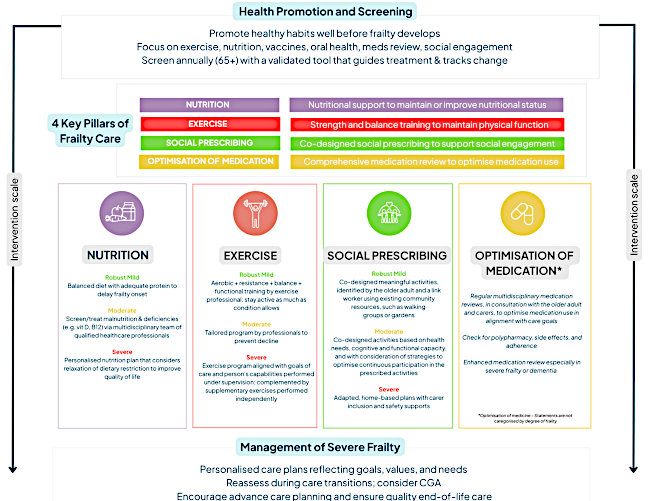
Figure 1. Integrated framework of recommendations across six domains. CGA, comprehensive geriatric assessment.( S. Chopra et al. (2026), Medical Journal of Australia 224, no. 5 (2026): e70182, https://doi.org/10.5694/mja2.70182.)
Through a collaborative process involving clinical experts, researchers, policy stakeholders and consumer representatives, a set of recommendations was created to embed integrated, multidisciplinary frailty care delivered in community settings to optimise outcomes for all older adults, across all stages of frailty.
These recommendations guide professionals in frailty-informed care, enhancing the quality of life and health outcomes for all older adults in community settings, such as personalised counselling, optimal protein intake coupled with exercise programmes, encouraging meaningful social engagement and customising care plans to the individual’s values and goals of care.
The Main Recommendations are:
- A lifelong approach to health promotion for frailty prevention should focus on raising awareness, annual screening (65+ years) and personalised counselling around accessible health behaviours to manage chronic comorbidities.
- An individualised, balanced, protein-rich diet is likely to be effective in delaying the onset of frailty. Protein–energy malnutrition and nutritional deficiencies should be identified and treated. A nutrition care plan that considers the relaxation of dietary restrictions aligned with goals of care should be planned for older adults with severe frailty.
- Progressive, individualised and ongoing exercise should be a combination of aerobic and resistance exercise, and balance and functional training tailored to frailty level and supervised by professionals.
- Social prescribing for older adults should be co-designed with a link worker to support meaningful, accessible and culturally appropriate activities that foster social engagement, with plans customised to the individual’s frailty level.
- A comprehensive, multidisciplinary medication review tailored to the older adult’s health status, preferences and frailty degree helps optimise medication use, minimise harm and support functional independence across all stages of frailty.
- Older adults with severe frailty need a regularly reviewed, personalised care plan, which involves carers in decision-making, supports advance care planning and ensures high-quality end-of-life care.
UK Chief Medical Officers’ physical activity guidelines were published in July. The first phrase of the introductions paves the way for what is to come: “If physical activity were a drug, we would refer to it as a miracle cure, due to the great many illnesses it can prevent and treat.”
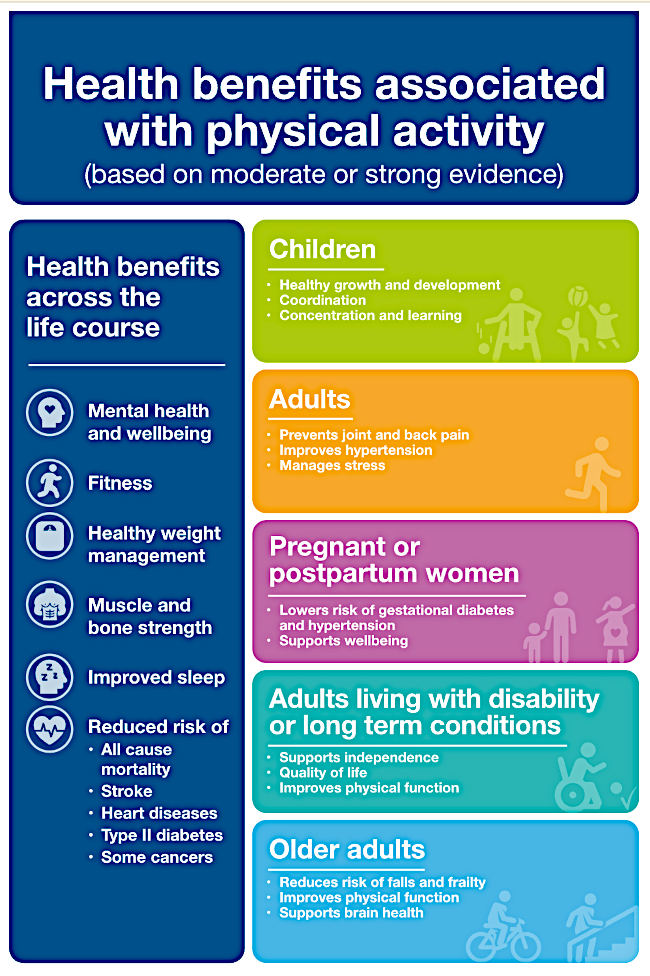
Figure 2. Evidence-based health benefits of physical activity across ages (UK Medical Officer’s PA guidelines, 2026)
These updated report offers evidence-based guidelines for all age groups; under-5s, children and young people (5 to 18 years), adults (19 to 64 years) and older adults (65 and over), also including special chapter for pregnant and postpartum, as well as adults living with disability of ling term conditions.
These guidelines emphasise the benefits of activity for everyone, at all life stages, and that doing any is better than doing none. Benefits are accrued over time, but it is never too late to gain health benefits from taking up physical activity. The guidelines summarise the benefits of regular physical activity on a range of physical and mental health benefits such as reducing the risk of disease, managing existing conditions and developing and maintaining physical and mental function.
The guidelines define the focus areas for all age groups with detailed exercise prescription covering the volume, duration, frequency and type of physical activity required across the life course to achieve general health benefits. The guidelines present thresholds for the achievement of optimal health benefits at the recommended levels of physical activity in terms of strength, moderate and vigorous physical activity and balance activities.
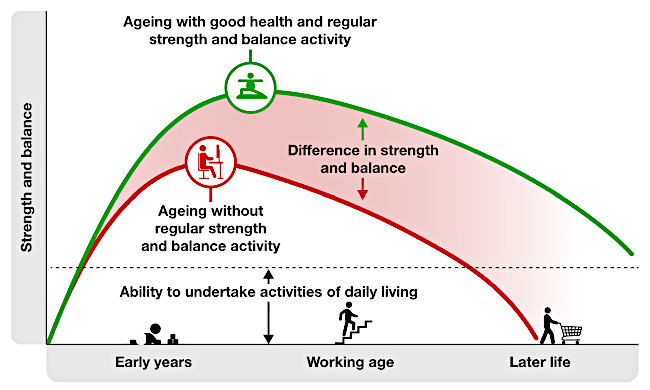
Figure 3. Physical activity for muscle and bone strength across the life course. ages (UK Medical Officer’s PA guidelines, 2026)
The report revisits our previous discussion on Healthspan, and it’s impact on the disability threshold. Figure 3 shows a graph indicating how strength and balance (on the y axis) change over the life course (on the x axis). The disability threshold line denotes the level needed for healthy, independent life and mobility.
The green line above shows the expected trajectory with regular strength and balance activities. This line peaks higher and later, resulting in a higher level of capability and a longer duration above the capability line. This denotes a longer and healthier older age.
The lower, red line shows a steep increase in strength and balance from early years of age, peaking in working age and declining to below the capability threshold in later life.
The evidence is clear and guidelines are given, yet the behaviours of people don’t change. This is a matter that was discussed in a publication by Gluchowski et al, published in the British medical journal, “Strength training in later life: narrowing the evidence-to-practice gap”.
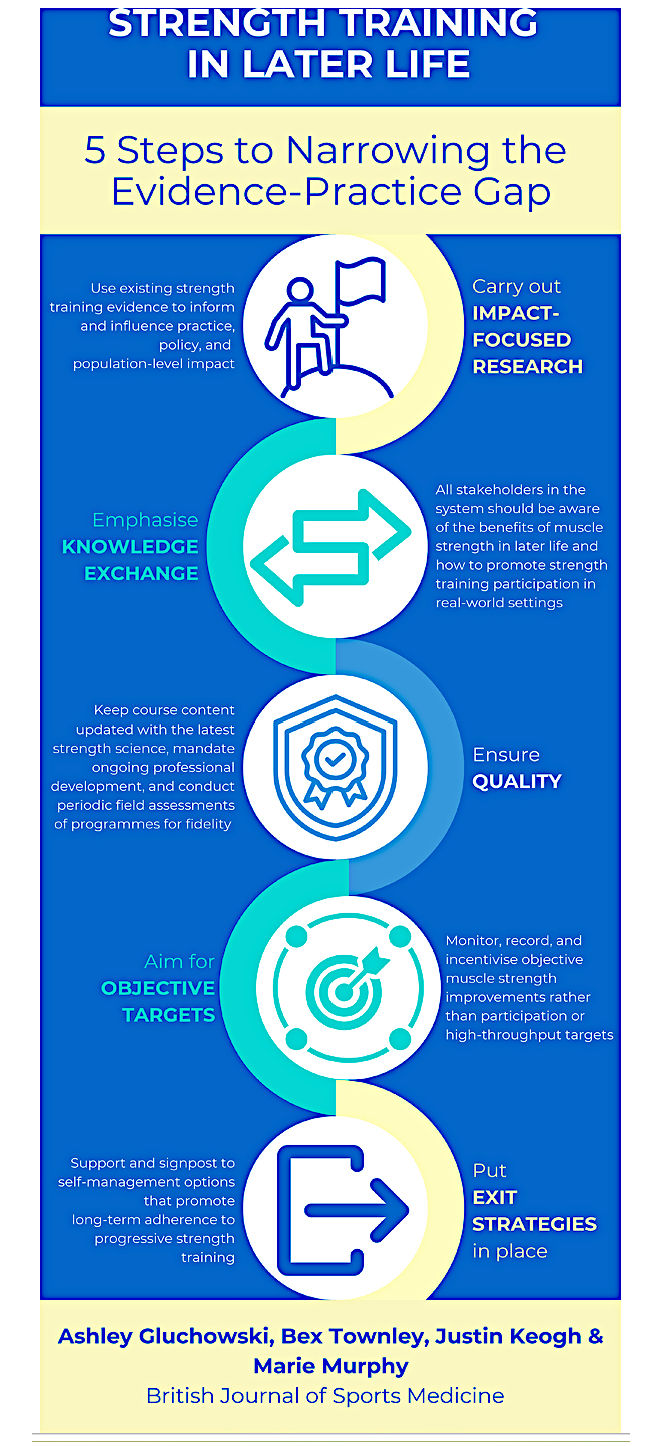
Figure 4. Five steps to narrowing the evidence- to- practice gap. (Gluchowski et al (2026), British Journal of Sports Medicine 2026;60:750-752.
In this discussion piece the authors discuss methodologies that could bring the evidence-based knowledge to clinical practice, easing the implementation of the ever-increasing research knowledge offering clear guidelines for best-practice, evidence-based exercise.
The authors recommend a five step model that starts with impact focused research, followed by clear knowledge exchange. In order to transfer the knowledge to clinical practice, leadership is required to promote, encourage, and value the delivery of evidence- based strength training practices alongside behaviour change techniques.
It is a necessity of ensure quality by keeping educational course content accurate, while also mandating continuing education. Knowledge should also be include in assessments – exercise professionals should use objective targets, rather than observing participation only. And finally, practitioners should use exit strategies that support self -management.
The authors conclude that collaboration among researchers, practitioners, communities, and policy makers is required to bridge the gap between research evidence and community practice to achieve an active and healthy future for all.
Another topic that has been discussed recently is the impact of exercise on cognitive decline. A new study from University of Queensland defined that strength training could delay a dementia diagnosis by up to six years.
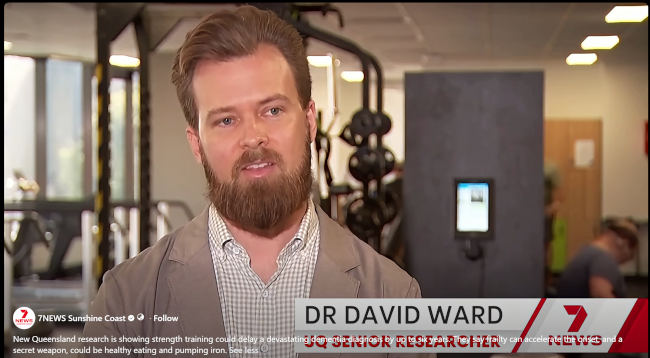
Figure 5. Strength training could delay a dementia diagnosis by up to six years (video link)
Dr David Ward from the UQ Frazer Institute said that the findings suggest frailty could be an important independent clinical marker to help diagnose and potentially treat dementia. In an earlier article with Community Care Review, he stated: “Our new findings suggest that efforts to prevent or reduce frailty could delay the onset of dementia meaningfully – by a handful of years”, “One of our most interesting findings was that maintaining a low degree of frailty seemed to be necessary for individuals to fully benefit from having a brain with fewer dementia-related changes. In contrast, individuals who were living with a high degree of frailty seemed to develop dementia at younger ages, even when they had comparatively fewer brain changes.”
“Frailty has traditionally been linked to neurodegenerative conditions like dementia, but instead of just being a consequence of ageing or declining health, it appears to play its own role in shaping how dementia develops and is diagnosed,” Dr Ward said in the official press release for UQ.
These findings position frailty as an early marker for dementia risk allowing us a pathway to delay the onset of dementia by preventing frailty. By engaging clinicians, medical and allied health professionals to routinely measure and monitor frailty, opportunities exist to delay the onset of dementia and improve health outcomes.
With the appropriate support frailty can be preventable and treatable. “Regular exercise—especially strength training—can delay, reduce, and in some cases improve frailty, particularly when combined with good nutrition and social engagement”, says Dr Ward.
Finally, just today Healthspan was mentioned in the media.
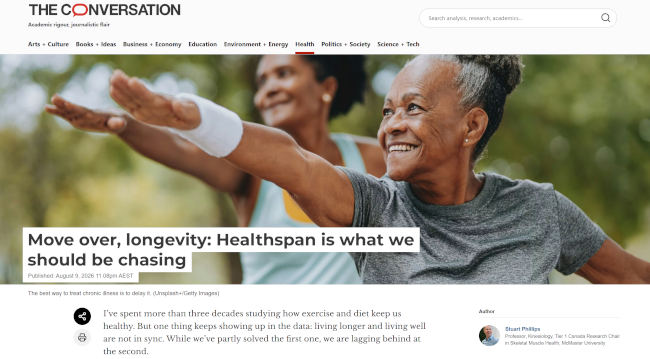
Figure 6. Move over longevity, Healthspan is what we should be chasing (Stuart Philips, in the Conversation, 2026)
In the first paragraph the author, Professor Stuart Philipps states: Living longer and living well are not in sync. While we’ve partly solved the first one, we are lagging behind at the second.”
This article is a good reminder of the basic definitions:
Lifespan – The time we live, basically our tombstone – the time between being born and dying.
Longevity – Living for a long time or a long duration of individual life. Often a longer life is a consequence of a healthy life, however, the definition on it’s own doesn’t define the years spent in good vs poor health.
Healthspan – “The period of life spent in good health, free from the chronic diseases and disabilities of aging” (Kaeberlein, 2018, GeroSciece). Whilst Longevity is living longer, Healthspan is about living better, doing the things we like to do, living a life with high quality.
Therefore we can say that Healthy Longevity = Healthspan
Last year I wrote a blog that discussed the topic, and also mentioned a report by World Health Organization, on the widening Healthspan-Lifespan gap – although we are living longer, more of these years are spent burdened by disease.
This WHO report from 2024 stated that:
– The Healthspan-Lifespan gap has widened by 13% globally over the last 2 decades (2000 to 2019), extending from 8.5 to 9.6 years. These gaps are also associated with the burden of noncommunicable diseases and total morbidity.
– The US had the widest gap at 12.4 years (24% larger than predicted based on expected lifespan), closely followed by Australia at 12.1 years with women having an average gap 2.4 years greater than men.
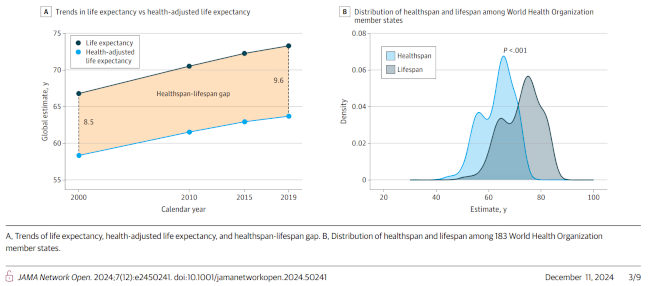
Figure 7. Global Life Expectancy, Health-Adjusted Life Expectancy, and Healthspan-Lifespan Gap (JAMA Network Open. 2024;7(12):e2450241.)
The widening Healthspan-Lifespan gap is a global trend, suggesting that although we are living longer, more of these years are spent burdened by disease. There is a clear need for proactive wellness-centric care systems.
There have been quite a few publications recently – there will be more blogs about the increasing knowledge. But at the moment, I am excited that Healthspan, exercise and strength training are starting to get the attention that they deserve, even in mainstream media. We must keep on advocating for exercise, the right exercise to maximise everyone’s healthy years free of disease.
Best Wishes,
Dr Tuire Karaharju-Huisman
Physiotherapist, Accredited Exercise Physiologist (ESSAM), PhD (Biomechanics)
Research Lead, Area Account Manager (Vic, Tas, SA, ACT, WA, NT)
