

This year’s National Retirement Living Summit is all about the changes within industry, and the best ways of navigating them. The event, hosted by the Retirement Living Council, to be held on June 15-17 at The Star Brisbane, brings together a lineup of speakers from across the globe to share ideas, challenge norms and showcase what’s next for retirement living.
With a program consisting of keynote sessions, panel discussions and case studies, to discuss housing models, integrated care, technology, design, care and wellbeing, the event will again be a flagship of the industry to showcase innovative, consumer-driven services and the operators who run them, also including health and wellbeing for residents.
A week ago, Colin Milner, CEO at International Council on Active Aging (ICAA), wrote about the 2026 ICAA Wellness Trends Report. The data shows that the senior living industry has changed towards the healthspan direction – 52% of Independent Living and CCRC communities now identify as wellness-based communities with care, with this number expected to rise to 72% by 2030. Wellness is no longer an add-on program in senior living, it is becoming the foundation of the model itself.
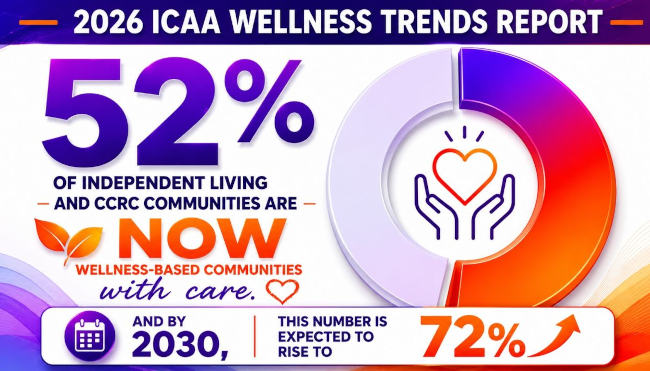
This shift, and the understanding of the principles of health and wellness, affect many aspects of the retirement industry; the built environment and community, programs, policies, staffing models, dining, and services. As the knowledge increases, older adults are no longer looking for care, rather they are looking for models of living options where they can live better and longer, with greater purpose, vitality, and connection.
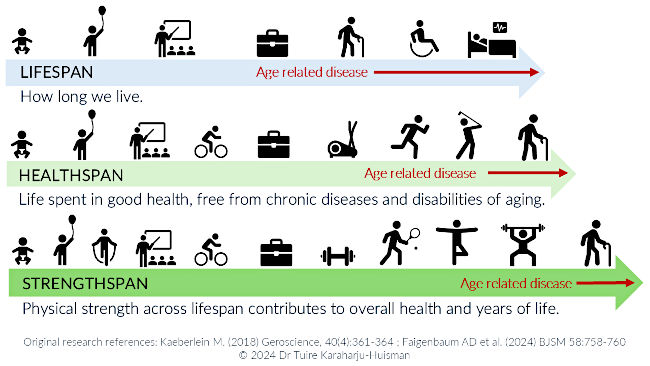
Healthspan, “The period of life spent in good health, free from the chronic diseases and disabilities of aging (Kaeberlein, 2018, GeroSciece)” is in the centre of this change – while lifespan may be influenced by genetics, healthspan is influenced by lifestyle, environment, engagement, and wellness-focused living.
Whilst Longevity is living longer, Healthspan is about living better, doing the things we like to do, living a life with high quality. If we intentionally invest in our health and well-being, we don’t just live longer but can minimise the years spent with disease.
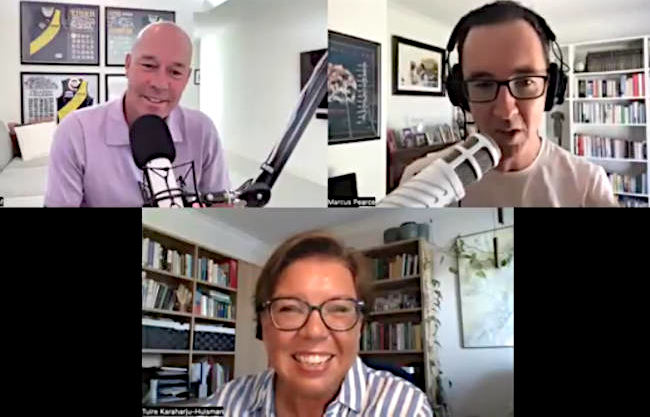
This year’s Summit will continue the Health and Wellness mission with Marcus Pearce set as the emcee of the event. Marcus is a strong advocate for healthy ageing and longevity, and is pushing forward his message about the changes we must make to age the best way possible – If Australians in their 30s, 40s, and 50s want strong, vital later years, they need better habits, better beliefs, and better storytelling about what modern retirement communities actually offer. Retirement Living Isn’t Aged Care – it is much more, and we need to tell the story better.
A few years ago I was a guest on Marcus’ podcast, 100 not out, to discuss all things about health, wellness and ageing well. Click here to see the video version of my chat “Strengthspan v Lifespan v Healthspan” with Marcus Pearce and Damien Kristof; you can also find more about the podcast here.
Another pre-summit conversation has been care. At the Leaders Summit in March, the Executive Director of Retirement Living Council, Daniel Gannon, gave a speech titled “Care as infrastructure – independence as outcome”. It was a great presentation discussing who care belongs to – how do we see care and those that need care? We often think that more care automatically means less independence – “you’re either “independent” or you’re “in care”. That if care is present, independence must, by definition, recede.”
What if we offered care earlier, and supported people in keeping up their health? This is where allied health matters the most. Allied health professionals are defined as “University-qualified practitioners—excluding doctors, nurses, and dentists—who provide specialized, evidence-based care to prevent, diagnose, and treat illnesses.
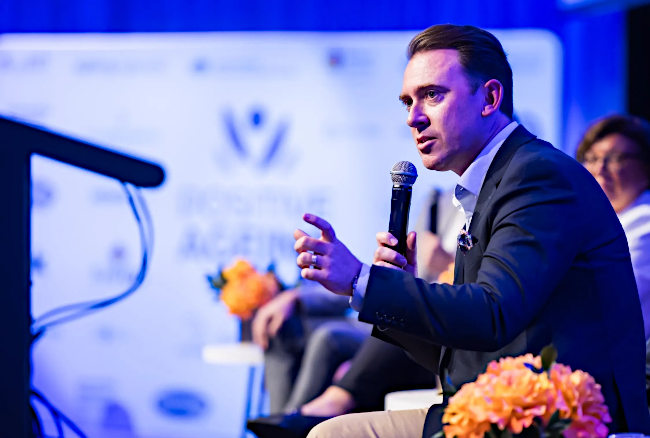
Care should start before it is desperately needed. As said by Daniel: “Care isn’t the opposite of independence. For a lot of operators, it’s a proud part of the promise – and a real strength. Strategically, the goal is simple: care should enable independence, not replace it.”
“When people feel supported, connected, and not alone in managing everyday life, they don’t withdraw.
They grow in confidence.”
You can find my old blog on the topic via this link.
We are looking forward to the three days in Brisbane – hearing from the experts and catching up with old and new connections to discuss the opportunities health and wellness offer to everyone!
Best Wishes,
Dr Tuire Karaharju-Huisman
Physiotherapist, Accredited Exercise Physiologist (ESSAM), PhD (Biomechanics)
Research Lead, Area Account Manager (Vic, Tas, SA, ACT, WA, NT)
